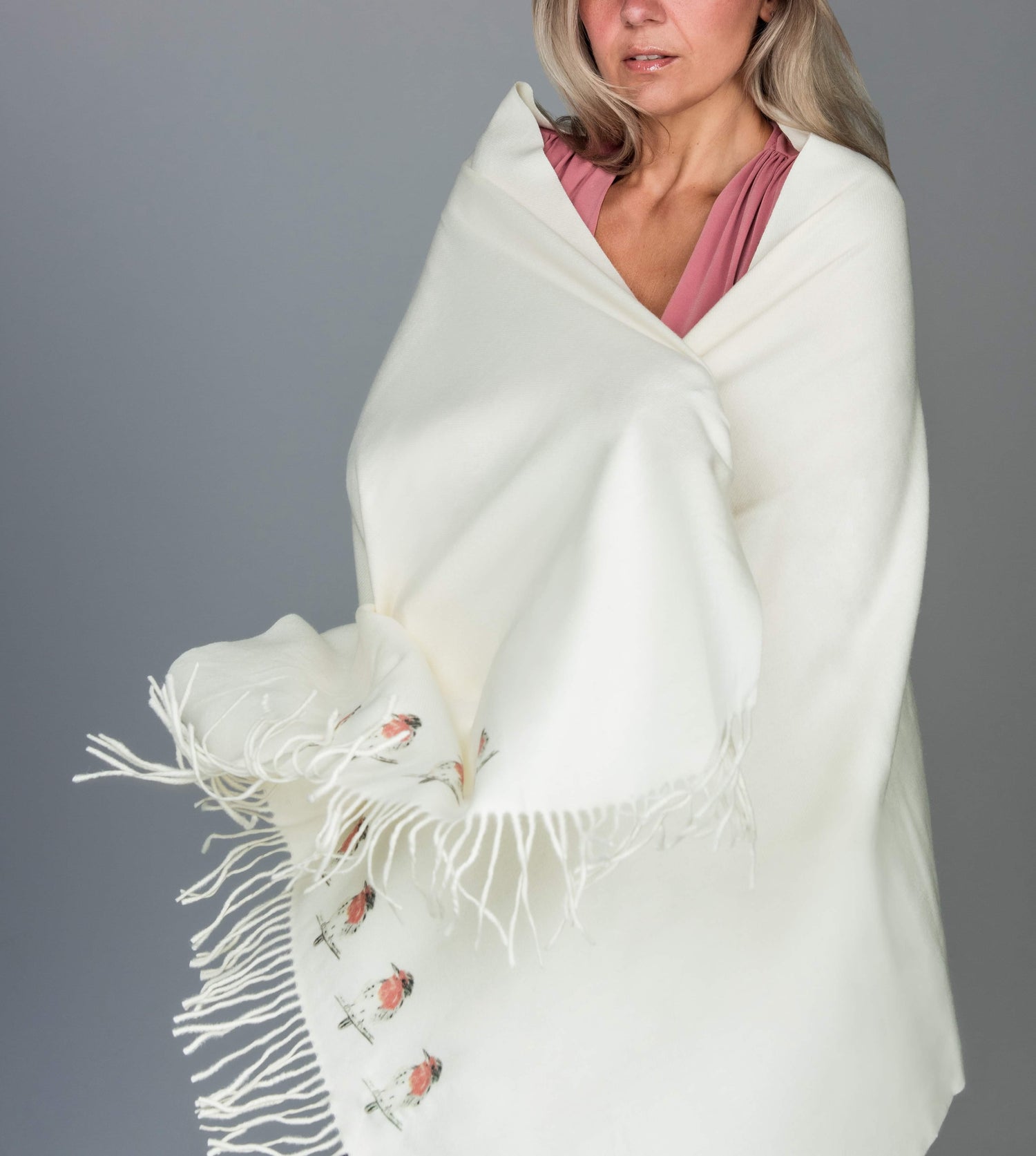

Slow Fashion: Style With a Story That Lasts
A beautifully patterned scarf can change the character of an outfit in seconds: knotted at the neck with a white shirt, draped over a coat on a blustery walk, or tied to a handbag for a note of colour. Yet its value need not end with the first wear. Slow fashion begins with this simple idea - choosing pieces that remain a pleasure to wear, season after season, because they have been made and chosen with care.
It is not about owning a tiny wardrobe or denying yourself something lovely. It is about making room for items with genuine presence: a silky-soft accessory with an original story, a well-cut coat that earns its place each winter, or a thoughtful gift that becomes part of someone’s life rather than a passing trend.
What does slow fashion really mean?
Slow fashion is a more considered approach to clothing and accessories. It favours quality, longevity, responsible material choices and fairer production over rapid trend cycles and disposable purchases. The phrase is often positioned as the opposite of fast fashion, but it is more generous than a list of restrictions. It asks us to notice what we bring into our wardrobes, why we are drawn to it and how it may be worn for years to come.
For some, that means buying fewer pieces and choosing natural fibres such as silk or wool. For others, it means giving recycled materials a more beautiful second life, repairing a cherished garment, shopping pre-loved, or supporting smaller makers whose work reflects a particular place and point of view. There is no single perfect formula. A wardrobe is personal, shaped by climate, work, travel, budget and the occasions that matter to you.
The most meaningful common thread is intention. Rather than buying for a fleeting moment, slow fashion encourages us to choose with a longer horizon in mind.
Why slow fashion feels more luxurious
Luxury is sometimes confused with excess. In reality, it can be found in the details that make an object worth returning to: the hand-feel of a fabric, a print with depth and character, a carefully finished edge, or a design that carries a memory of a favourite coastline, garden or journey.
When a piece is versatile, its value grows with every wear. A scarf that works as a neck tie, headband, belt, bag accent or light layer for travelling offers far more than a single styling moment. It moves easily from weekday dressing to dinner, from a British summer wedding to a winter city break. That versatility is not a compromise; it is one of the quiet pleasures of buying well.
Slow fashion also makes space for individuality. Trends can be entertaining, but they rarely tell a personal story. A wearable work of art, inspired by wildlife, heritage or a place close to the heart, can become a signature. It is the piece friends recognise as unmistakably yours.
The material question: beauty with responsibility
Materials matter, though they are rarely as simple as a label suggests. Silk has a luminous drape and can be treasured for decades when cared for properly. Wool and cashmere offer warmth and longevity, while recycled textiles can help divert waste from landfill and reduce reliance on virgin resources.
Each option has trade-offs. Natural fibres are not automatically impact-free, and recycled synthetics may still release microfibres during washing. The most responsible choice often depends on how an item is made, how long it will be used and whether it suits your real life. A delicate silk scarf that is worn lovingly for ten years may be a better companion than a supposedly virtuous purchase left untouched in a drawer.
This is why transparency and thoughtful design are so valuable. At Art on Scarves, recycled plastic bottles are transformed into exquisitely soft scarves and accessories, proving that conscious fashion can still feel refined, expressive and gift-worthy. The aim is not to make perfection claims, but to create something lasting and lovely from materials that might otherwise be discarded.
How to choose slower, more lasting pieces
The next time something catches your eye, pause before adding it to your wardrobe. Consider whether you can imagine wearing it in at least three different ways and across more than one season. A design does not need to be plain to be enduring. A rich tartan, a bold botanical print or a striking coastal palette can all outlast a trend when it speaks to your own taste.
Look closely at the finish, too. Does the fabric feel pleasing against the skin? Is the print clear and well placed? Will the shape work with clothes you already own? Accessories are especially useful here: they allow colour and artistry to enter a wardrobe without requiring an entirely new outfit.
It also helps to buy for the life you actually lead, not only for an imagined version of it. If you travel often, a lightweight scarf or neck buff may be the piece that proves most useful. If you are choosing a present, think beyond the occasion. A beautifully presented accessory can mark a birthday, retirement, wedding or thank-you while remaining practical enough to be enjoyed the following week.
Ask a few gentle questions before you commit:
- Would I still enjoy this if nobody else saw me wearing it?
- Can I picture it with at least three outfits I already own?
- Does it feel comfortable, useful and true to my style?
- Do I understand enough about the materials and the care it needs?
Care is part of the story
A slow-fashion wardrobe is built not only through purchasing, but through care. The small rituals matter: airing knitwear rather than washing it after every wear, storing scarves away from direct sunlight, treating marks promptly and following the care label rather than relying on habit.
For silk, gentle handling is key. Keep fragrance and hairspray away from the fabric where possible, undo knots before storing, and avoid leaving it folded in one position for too long. Recycled polyester scarves and travel accessories are often more straightforward for everyday use, but still benefit from cool, gentle washing and air drying. Heat can shorten the life of elastic fibres, prints and finishes.
If an item needs mending, that is not a sign it has failed. A repaired hem, replaced button or carefully restored clasp can extend its life and deepen its character. There is something quietly reassuring about keeping a favourite piece in circulation rather than replacing it at the first sign of wear.
A more personal way to dress
Slow fashion does not demand a flawless wardrobe, nor does it ask us to discard everything we already own. The most sustainable starting point is often to enjoy what is already there. Rediscover a scarf at the back of a drawer. Restyle a dress you have not worn for years. Borrow for a one-off event instead of buying anew.
When you do choose something new, let it be a piece with a reason to stay. Seek out colour that lifts your mood, craftsmanship you can feel and stories that connect you to art, nature, heritage or a loved one. The best accessories do more than complete an outfit. They travel with us, gather associations and become small, beautiful reminders of where we have been.
Choose the piece you will reach for on an ordinary morning as readily as for a special occasion. That is where thoughtful style becomes part of a life well lived.