
How to Tie a Neck Scarf in 8 Elegant Ways
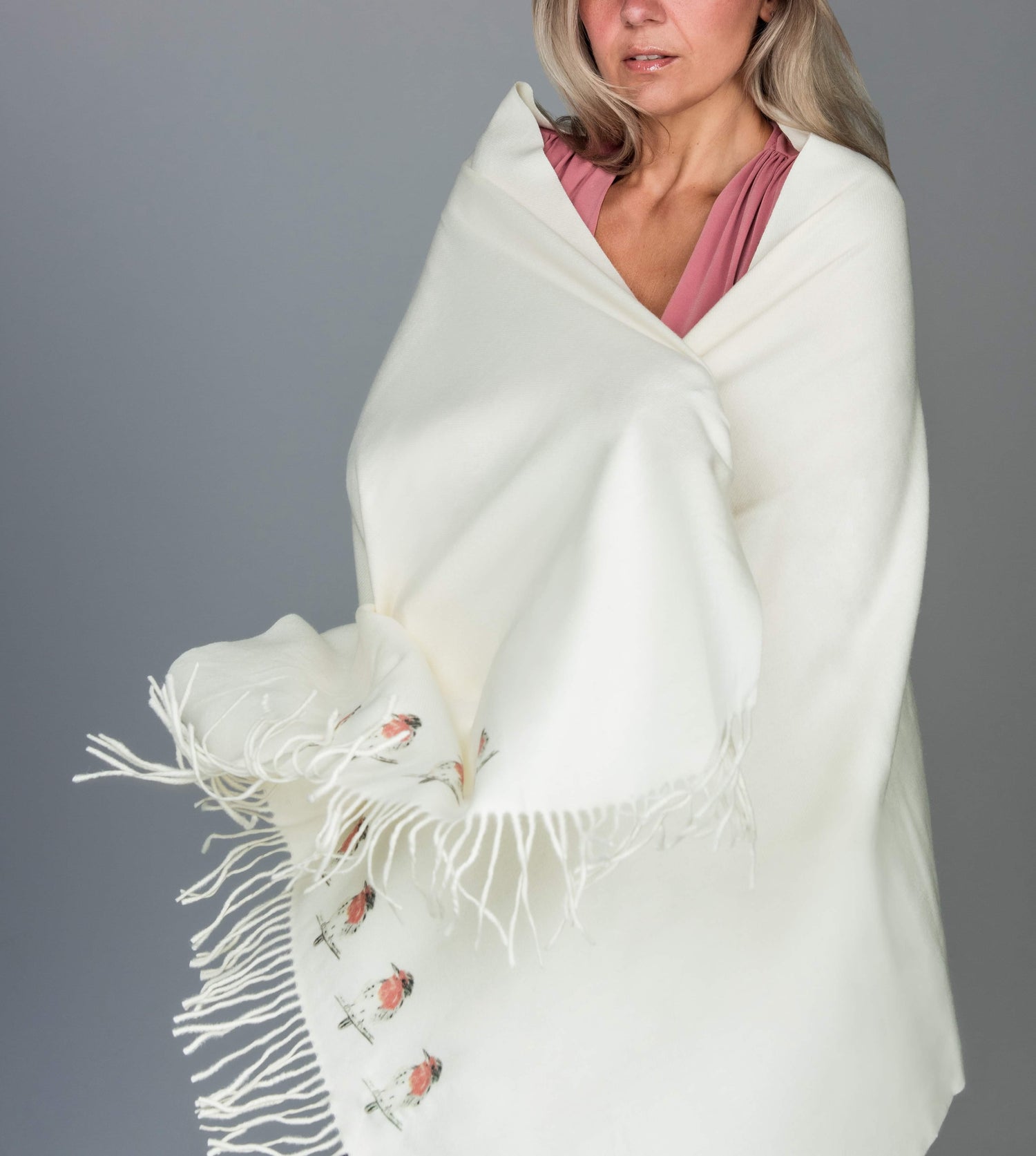
A neck scarf can change the character of a simple white shirt, favourite knit or tailored coat in moments. If you have searched for how to tie neck scarf styles that feel polished rather than overdone, the secret is less about complicated knots and more about proportion, fabric and confidence. A beautifully printed scarf is a wearable work of art: let its colour, pattern and story have room to be seen.
The following ties work with silk squares, silky-soft recycled scarves, lighter neck buffs and cashmere-feel pieces. Choose the style around your neckline and the occasion, then make it your own. A knot that sits perfectly for a museum afternoon may feel too formal for a coastal walk, and that is part of the pleasure.
Before you tie your neck scarf
Start by giving the scarf a gentle shake and laying it flat. With a square scarf, folding on the diagonal creates a triangle; rolling that triangle from the pointed end makes a neat band. This is the most useful starting point for a classic neck tie, a choker-style knot and a soft bow.
For an oblong scarf or neck buff, you can often work with the fabric as it is. The aim is to avoid bulk. A compact silk scarf may suit a small, close knot, while a softer recycled fabric looks particularly lovely with a looser drape. If your scarf has a statement border or a detailed illustration, pause before tying to decide which section you would like at the front.
How to tie a neck scarf for everyday elegance
1. The simple side knot
This is the most effortless way to bring colour to a crew-neck jumper, Breton top or open-neck blouse. Roll a square scarf into a slim band, place the centre at the front of your neck and take the ends around to the back. Bring them forward again and make a small double knot just below one ear.
Keep the tails uneven if you prefer a relaxed finish. For a more refined look, tuck the shorter tail behind the knot. This style is especially kind to busy mornings because it holds its shape without needing much adjustment.
2. The French-inspired front knot
For a crisp shirt, begin with the scarf rolled into a narrow band. Centre it at the back of your neck, bring both ends forward and tie a single knot at the base of the throat. Cross one end over the other once more, then pull gently to create a compact, slightly off-centre knot.
Leave the ends short and neat. The result feels timeless with denim and loafers, but is equally elegant beneath a blazer. If the scarf is richly patterned, turn the fabric so one of its most interesting colours frames your face.
3. The soft bow
A bow offers a feminine, expressive finish without becoming fussy when it is kept loose. Fold or roll your scarf into a medium-width band, wrap it once around the neck and tie a basic bow to one side. Gently spread the loops with your fingertips, rather than pulling them tight.
This works beautifully with a plain dress or a fine-gauge knit, particularly when the scarf carries botanical, wildlife or heritage-inspired artwork. A smaller square creates a delicate bow; a larger silk scarf makes more of a romantic statement. It depends on how much colour you would like near the face.
4. The loose triangle
Not every neck scarf needs a knot. Fold a square diagonally into a triangle, place the point at the front and take the two ends around your neck. Bring them back to the front and tie them loosely beneath the point, allowing the scarf to sit like a small kerchief.
This is a wonderful travelling style, as it adds warmth in an air-conditioned train carriage or on an early flight without the weight of a larger wrap. It also gives a printed design a broader canvas, making it ideal for a scarf chosen for its artwork and sense of place.
5. The rolled ascot
The ascot-style tie looks considered with an open-collar shirt or V-neck cardigan. Roll the scarf into a band, drape it around the neck with the ends hanging evenly, then cross the right end over the left. Bring it up through the loop at your neck and let it fall over the front.
There is no need to pull it tightly. The appeal lies in its gentle volume and softly layered fabric. Tuck the ends into your shirt or cardigan for a clean line, or leave a little of the print visible for an artistic touch.
6. The loop-through knot
For days when you want definition without a bow, try this tidy option. Fold a square scarf diagonally, then roll it into a band. Fold the band in half and place the folded end at one side of your neck. Pass the two loose ends through the loop and tighten just enough to sit comfortably.
Angle the loop slightly to one side rather than placing it directly under the chin. It is an easy choice with high-neck jumpers and coats, and it stays smart during a day of meetings, galleries or lunch in town.
7. The neckerchief knot
The neckerchief is casual, graphic and useful when a simple outfit needs character. Fold your scarf into a triangle and place the long edge across the front of the neck, with the point facing down. Take the ends around the back, bring them forward and tie a small knot over the point.
Wear it with a denim shirt, relaxed linen or a trench coat. The knot should feel easy rather than precise. A scarf made from recycled plastic bottles is particularly practical here: beautifully soft, light to pack and a thoughtful expression of conscious fashion.
8. The scarf-and-jacket finish
This final style is less a knot than a considered placement. Roll a small scarf into a band and tie a loose single knot at the throat, then allow the ends to disappear beneath the lapels of a jacket. Alternatively, make the side knot first and wear it just above the collar line.
The jacket creates a frame, while the scarf brings warmth and personality close to the face. Choose a colour from the scarf to echo a lipstick, knit or handbag if you enjoy coordination. Otherwise, let contrasting colours do the work. A vivid blue against camel, or woodland green against ivory, can feel quietly memorable.
Choosing the right knot for your scarf fabric
Silk has natural movement and a subtle sheen, so it rewards lighter handling. Avoid pulling a silk knot too firmly, particularly with a larger square, as the fabric will look more graceful with a little air between the folds. A slim, rolled knot or small bow allows the lustre and print to show.
Softer recycled fabrics and cashmere-feel scarves tend to have more texture and gentle grip. They are excellent for loose triangles, neckerchiefs and relaxed bows because the knot is less likely to slip. Their comfort also makes them a thoughtful choice for long journeys and full days out.
A neck buff is often the simplest option of all. Slip it over the head, arrange the fabric at the front and twist once if you would like a closer fit. It offers a practical layer in changeable British weather while retaining the colour and artistry that makes an accessory feel special.
Small styling details that make a difference
Keep scale in mind. A close, high neckline usually suits a smaller knot or a slim roll, while an open shirt offers space for an ascot tie or loose triangle. If your outfit already includes print, choose a scarf whose colours relate to it rather than competing with it. Pairing stripes with a floral or painterly design can be beautiful when one shade appears in both.
Do not save a special scarf for a special occasion. A treasured piece gains meaning through use: at breakfast before a weekend away, on a birthday lunch, or as a familiar flourish before a workday. At Art on Scarves, this is the spirit of StoryWear - accessories designed to carry art, memory and personal expression into real life.
Try one tie, then turn the knot a centimetre to the left, loosen it slightly or reveal a different edge of the print. The most elegant way to wear a neck scarf is the one that feels like you.